
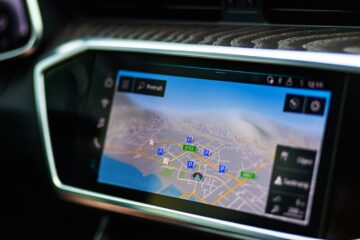












Touchscreen technology is transforming car audio, bringing new ways for drivers to control entertainment, navigation, and communication in their vehicles. As part of the broader evolution of automotive sound systems, modern designs prioritize both connectivity and user experience on the road.
Car audio systems have become much more than simple radios, now incorporating integrated displays that are central to the dashboard. Drivers increasingly seek advanced features from a touch screen radio, such as mobile device mirroring, navigation management, hands-free calling, and full digital media support. This shift is not just aesthetic—it is driven by expectations shaped by consumer electronics and the desire for feature-rich, easy-to-use technology behind the wheel. Advances in audio hardware, software integration, and display interfaces all contribute to accessible and powerful in-car entertainment.
Consumer preferences shape adoption of touchscreen systems
Smartphones have influenced how users interact with their vehicles’ sound systems. The gestures used for controlling phones—like tapping and swiping—are now key elements in many car audio interfaces, making touch-enabled car stereos more intuitive. This shift toward touch integration is a response to drivers’ demands for simple, streamlined control of in-car audio, communications, and apps.
Automakers and aftermarket manufacturers recognize these trends. While many new vehicles offer built-in infotainment systems with large displays, aftermarket solutions allow drivers to upgrade older cars for a modern experience. The variety of available products ensures that features once found mainly in luxury vehicles are now accessible to a broader audience, supporting both entertainment and essential functions in daily driving.
Integrated displays offer features beyond audio playback
Contemporary car audio systems are expected to deliver much more than just sound. They frequently include smartphone mirroring and app-based controls, so users can operate their preferred navigation, communication, or music apps through the car’s main interface. Integration of navigation, media streaming, and messaging within a single unit increases convenience and functionality.
Modern systems are designed so drivers can control all aspects of in-car audio, navigation, and device connectivity with ease. Touchscreens work alongside voice command and physical buttons to minimize distractions. Well-organized menus, clear graphics, and simple controls help drivers quickly find what they need while staying focused on safety.
Usability and system integration drive everyday accessibility
For many drivers, the placement and usability of controls are as important as sound quality itself. Screen positioning, button layout, and responsiveness make a big difference for safe operation. Modern systems often combine touch controls with physical knobs or buttons, ensuring that users can adjust settings easily without taking their eyes off the road.
Features like steering wheel buttons and voice interaction further enhance driver convenience by enabling hands-on adjustments. These options are available from both original equipment and aftermarket suppliers. Pioneer Audio, for example, illustrates these trends as a long-standing brand in car audio. Originally founded in 1930 to build dynamic speakers, Pioneer is now a major developer of car audio equipment, with automotive systems that focus on reliable sound quality and user-friendly features such as touchscreen navigation and seamless device connectivity.
Compatibility, performance, and future trends in the field
When selecting or upgrading a car audio system, key considerations include compatibility with vehicle wiring, fitment, and the ability to retain or enhance factory features. Integration with backup cameras, parking sensors, and steering controls can influence overall satisfaction and safety for users who rely on these technologies.
Touch-integrated car audio units impact overall listening quality by offering advanced processing and equalization options, but high-quality sound depends on correctly pairing the head unit with speakers and amplifiers suited to user preferences and vehicle acoustics. As the field develops, newer systems continue to offer larger screens, higher resolution, and improved interface responsiveness, expanding the possibilities for both sound and convenience in the car.